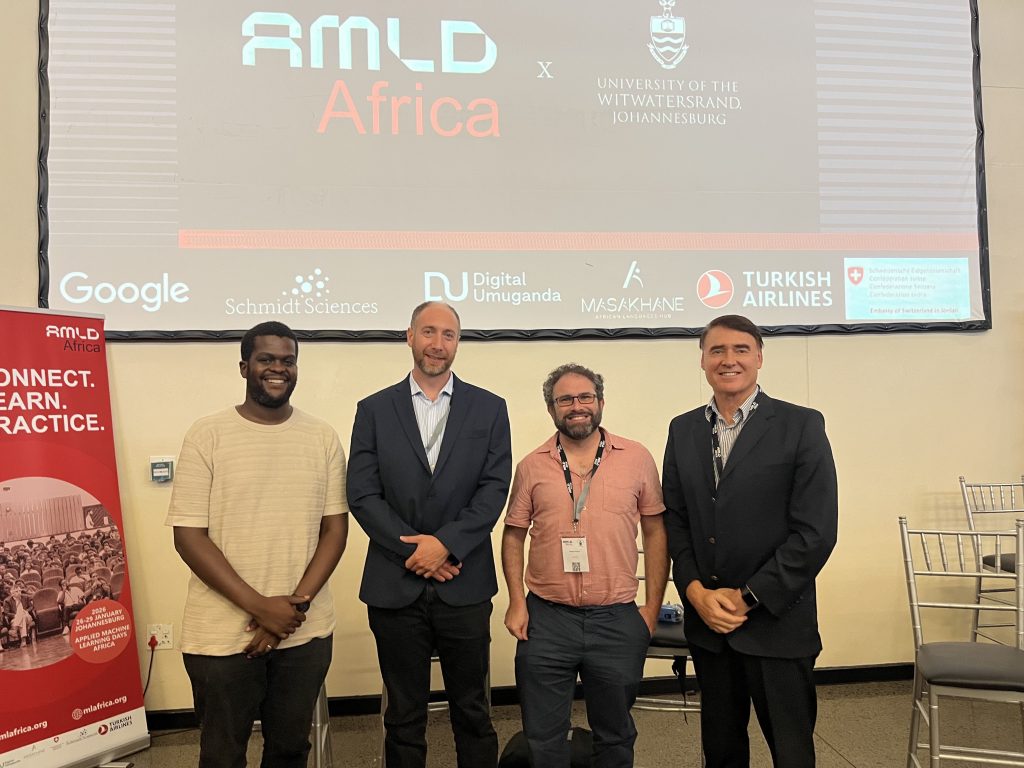
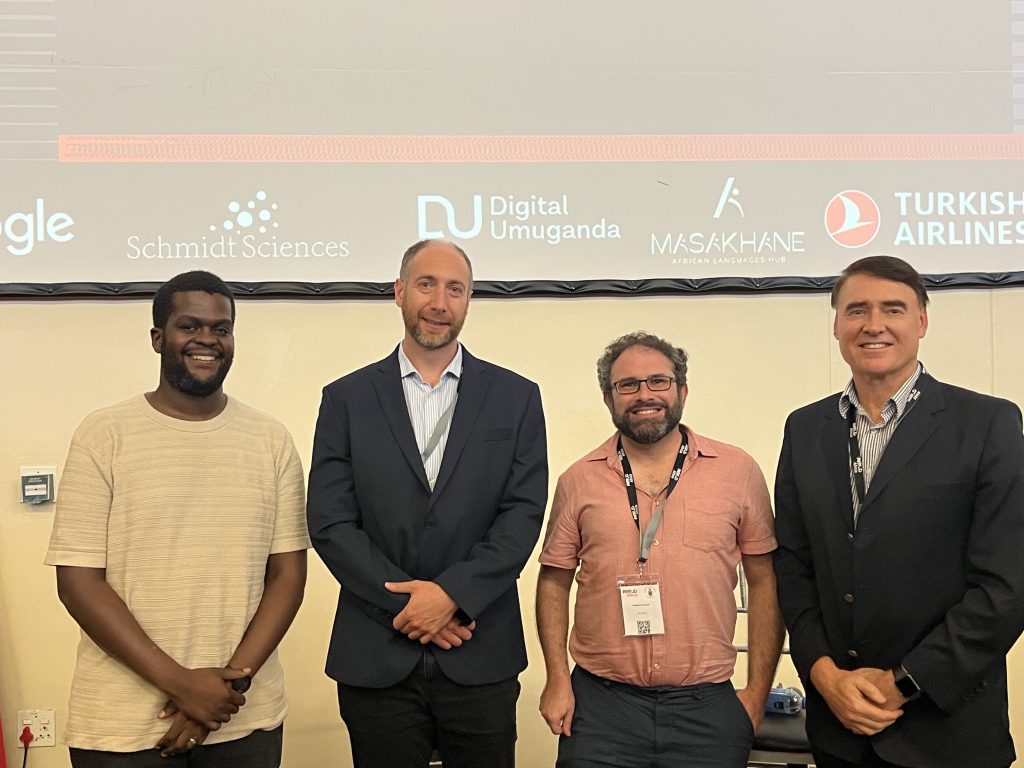
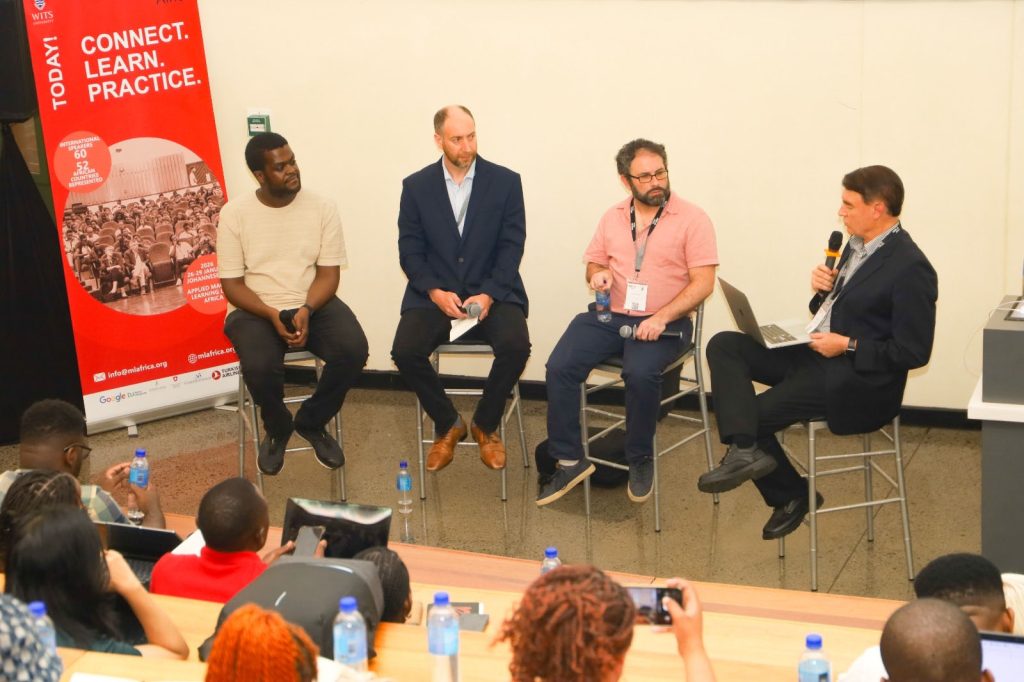
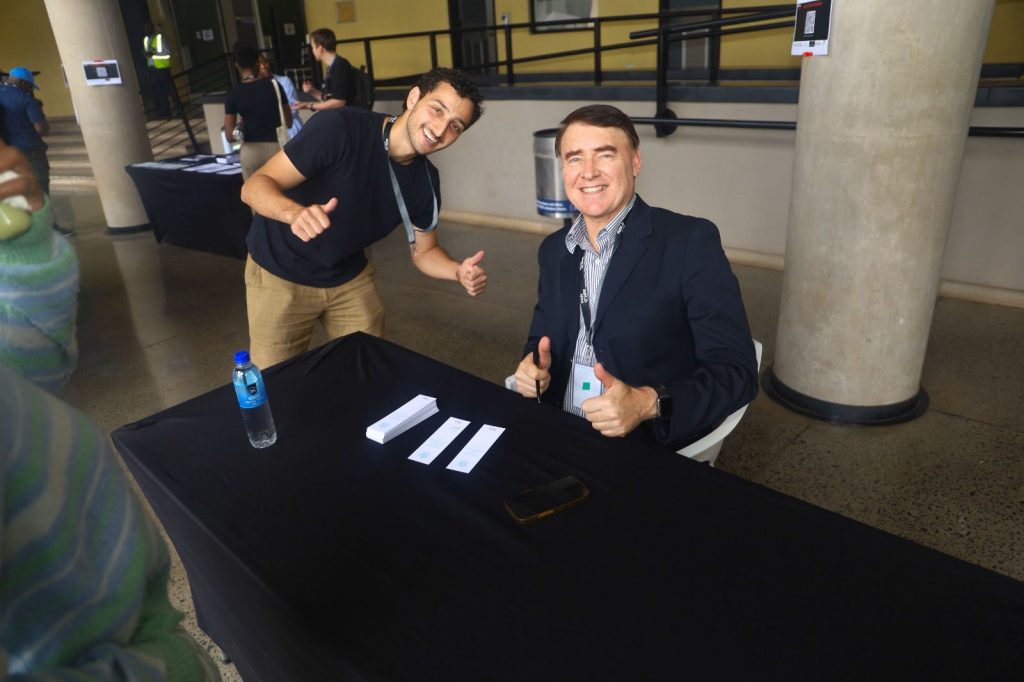
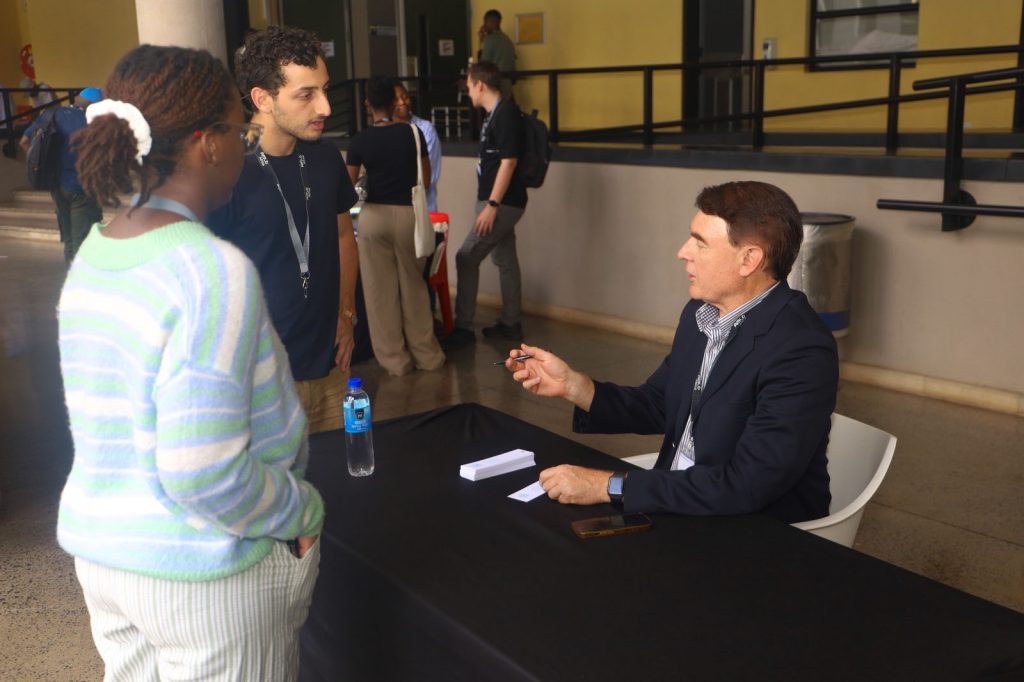
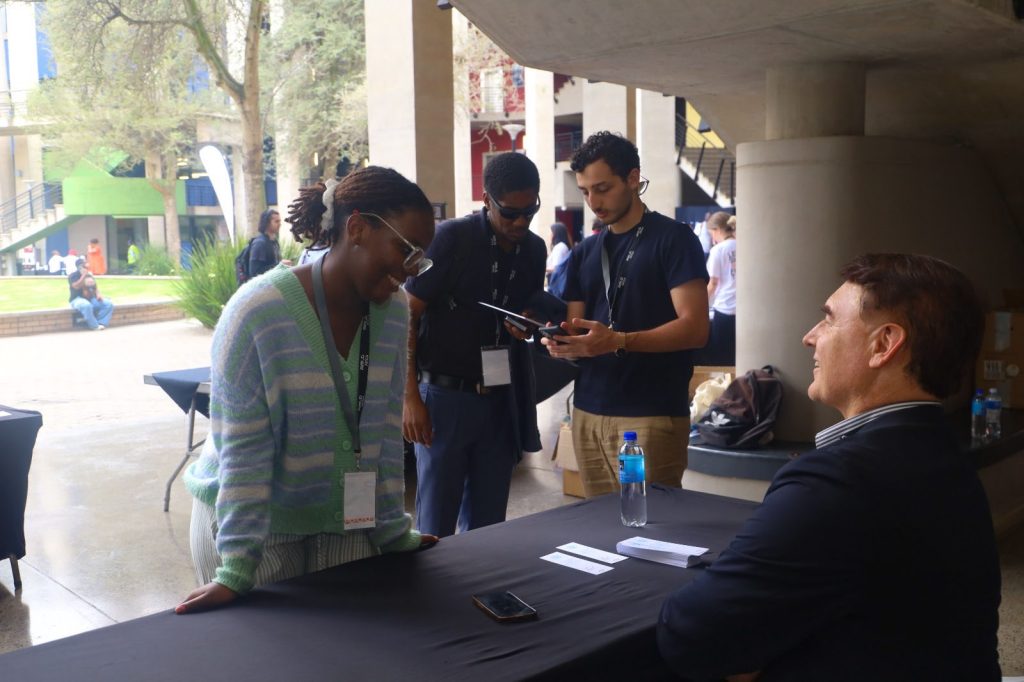
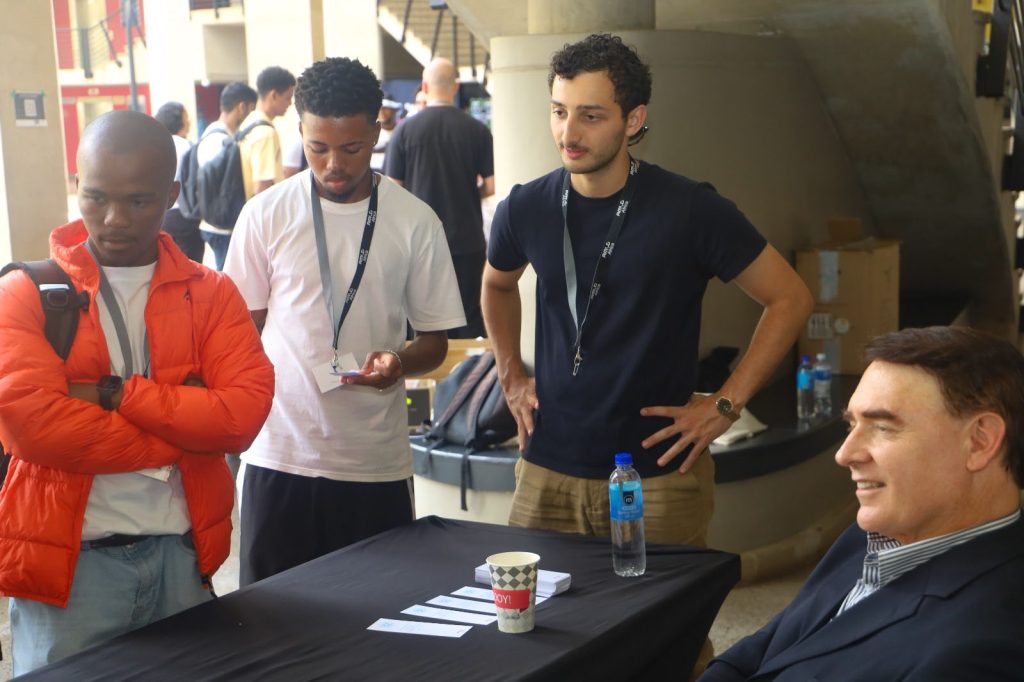
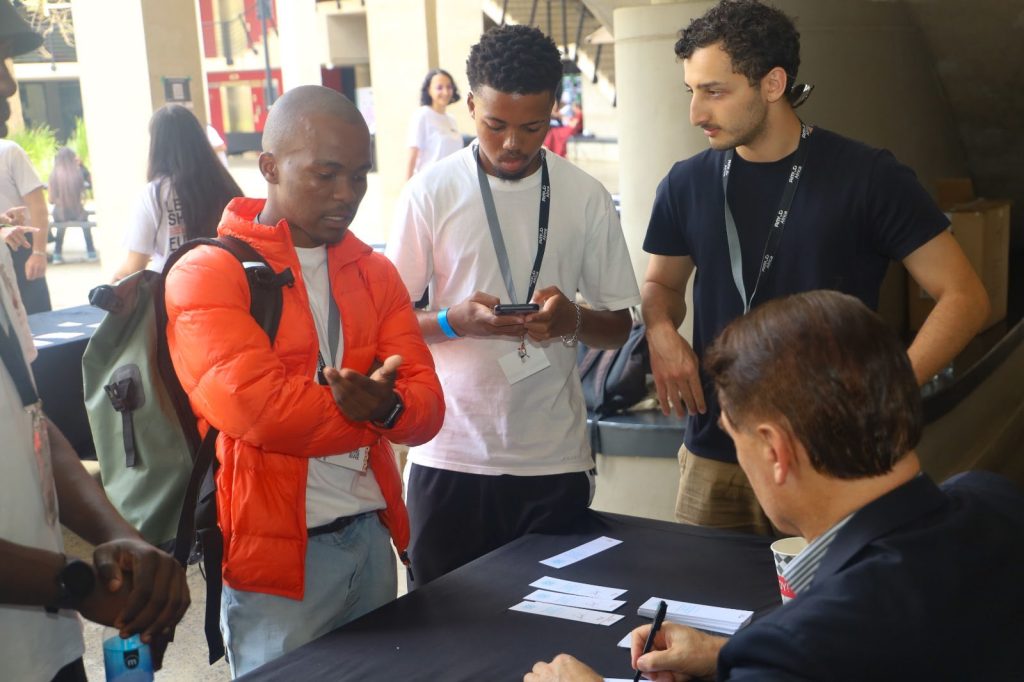
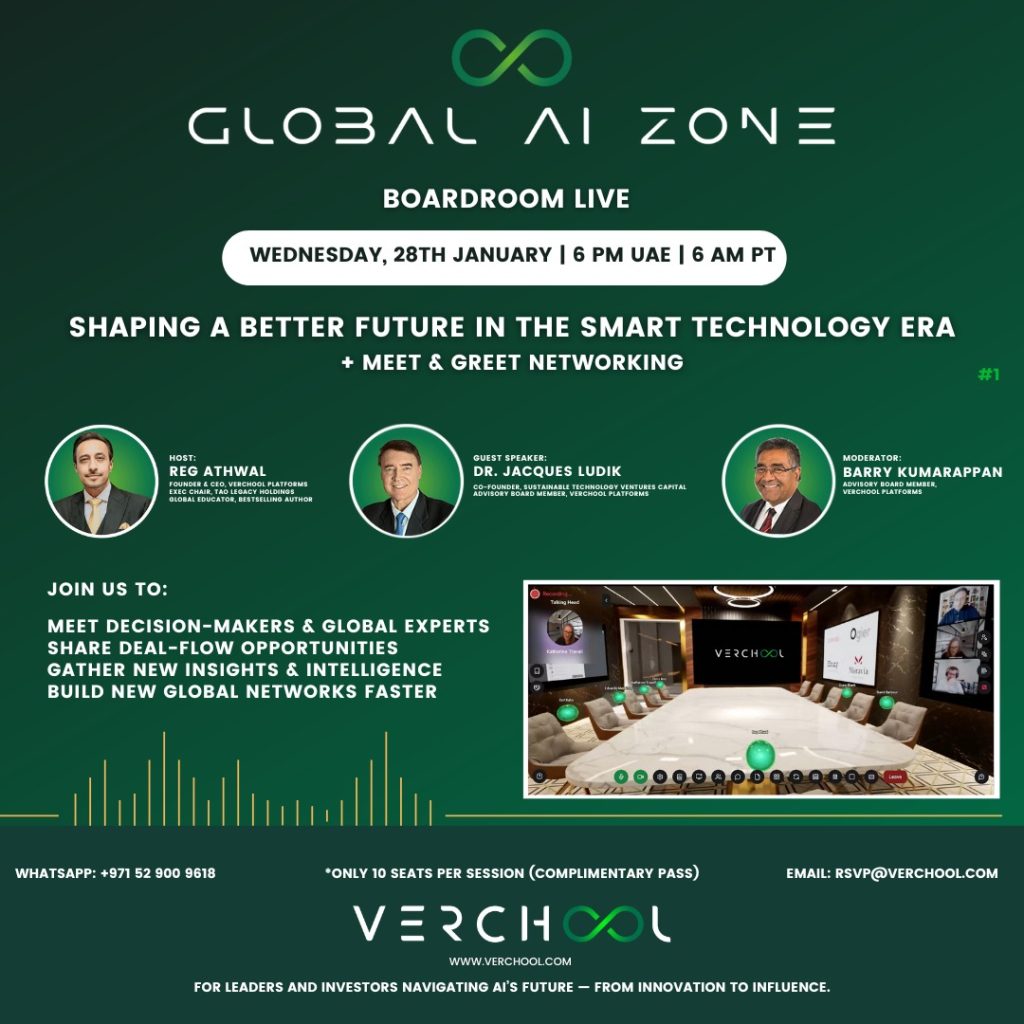
Dr Jacques Ludik speaking at AMLD Africa 2026 on AI & Economic Empowerment
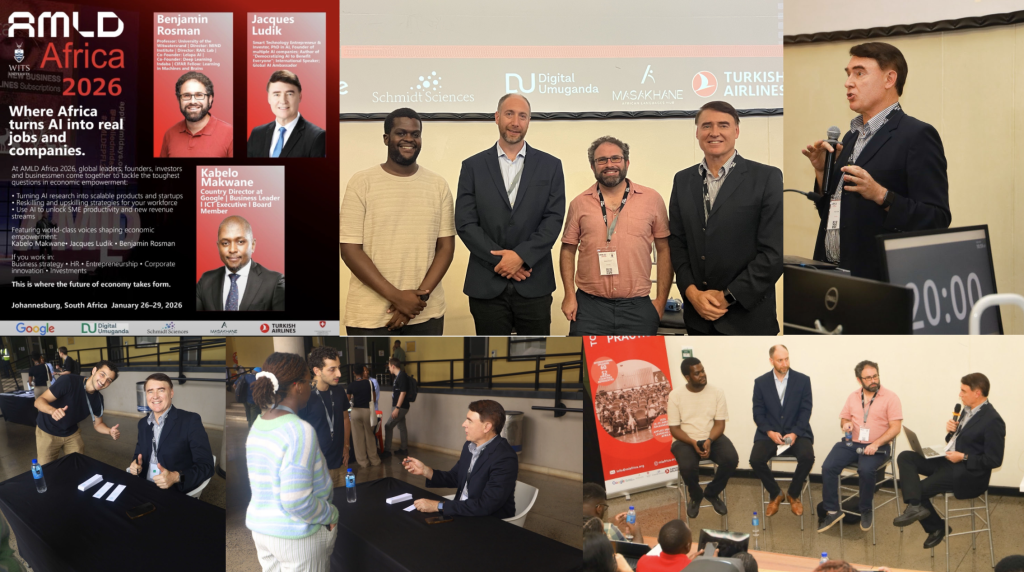
What if Africa’s next wave of jobs, startups and growth was powered by AI built here, for our markets?
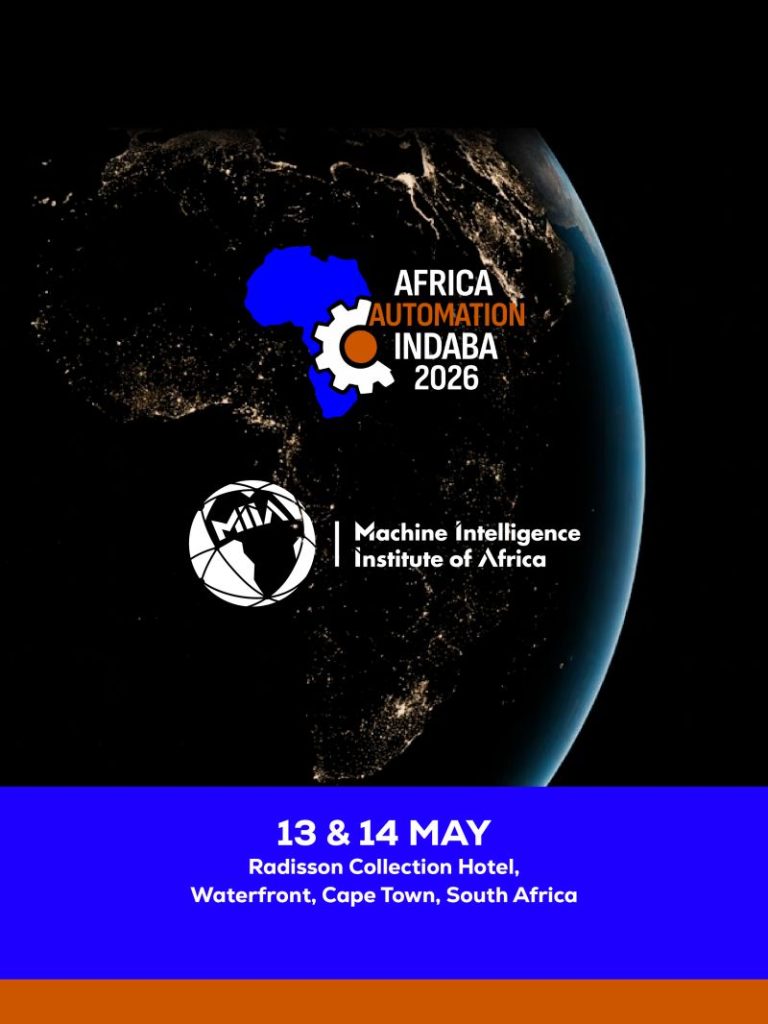
At AMLD Africa 2026, the AI & Economic Empowerment track brings together founders, investors, corporate innovators and policymakers who are already turning AI into new businesses, products and career paths across the continent. Over four days at University of the Witwatersrand in Johannesburg (26–29 January 2026), you’ll hear concrete case studies, learn how to move from pilots to scale, and meet the people building the real economy of AI in Africa.
If your work touches entrepreneurship, innovation, HR, economic development or investment, this is where you find partners, talent and ideas you can implement this year.
Featured speakers include:
Benjamin Rosman, Jacques Ludik, Kabelo Makwane ( Keynote)
🎟 Group discounts up to 30% · Tickets: https://lnkd.in/gdmjswR4
Jonathan Kariv, Devon Jarvis, Nouralden Mohammed
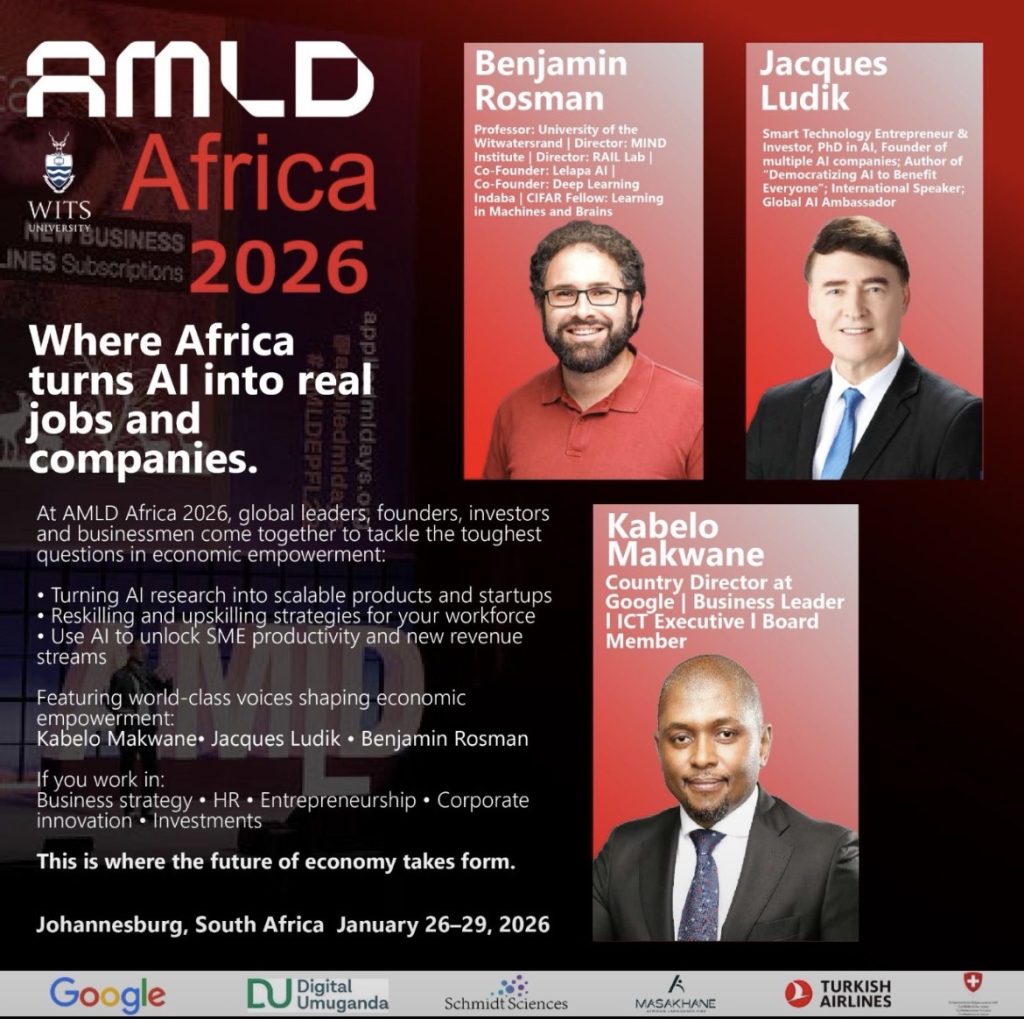
Dr Jacques Ludik speaking on “Shaping a Better Future in the Smart Technology Era” and “Democratizing Artificial Intelligence to Benefit Everyone”
Presentation:
https://drive.google.com/file/d/1lsIAWE5yUl6tM8YsSo5cf-0xedv5BMAZ/view?usp=sharing
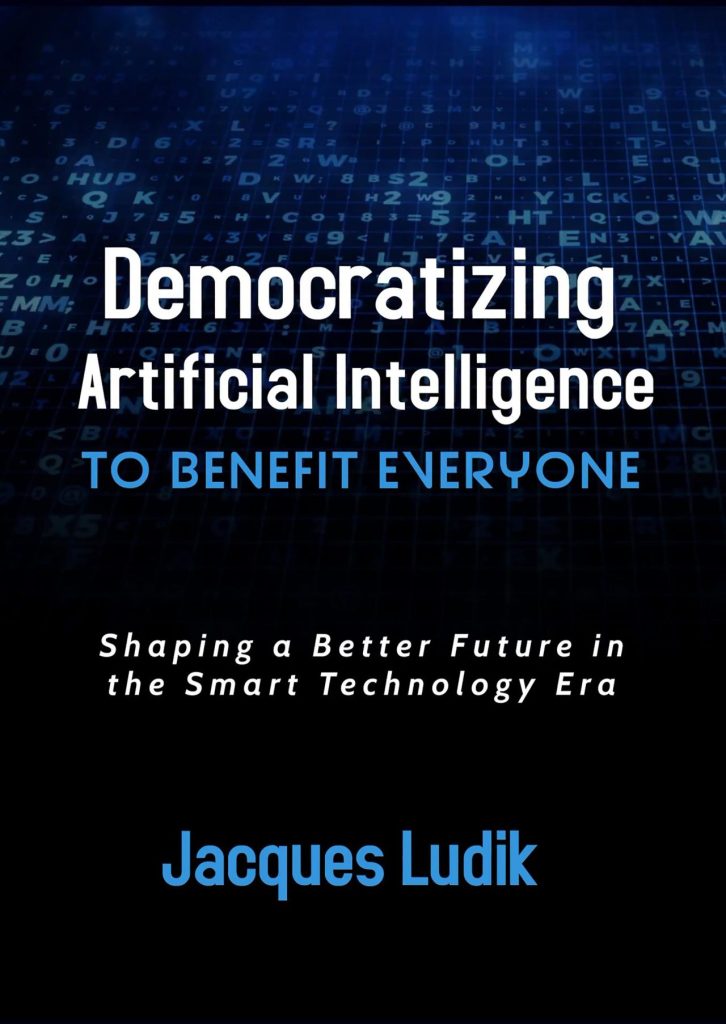
“Democratizing Artificial Intelligence to Benefit Everyone: Shaping a Better Future in the Smart Technology Era”
https://jacquesludik.com/books-2/
https://www.amazon.com/Democratizing-Artificial-Intelligence-Benefit-Everyone-ebook/dp/B08ZYW9487/
jacquesludik.com
Jacques Ludik Podcast: https://jacquesludik.com/podcasts/
YouTube Main Channel: https://www.youtube.com/c/JacquesLudik
YouTube Clips Channel: https://youtube.com/channel/UC5ymTbLY4SVGj4Fw0GcqfLw
Democratizing AI Newsletter: https://lnkd.in/d5zds7G9
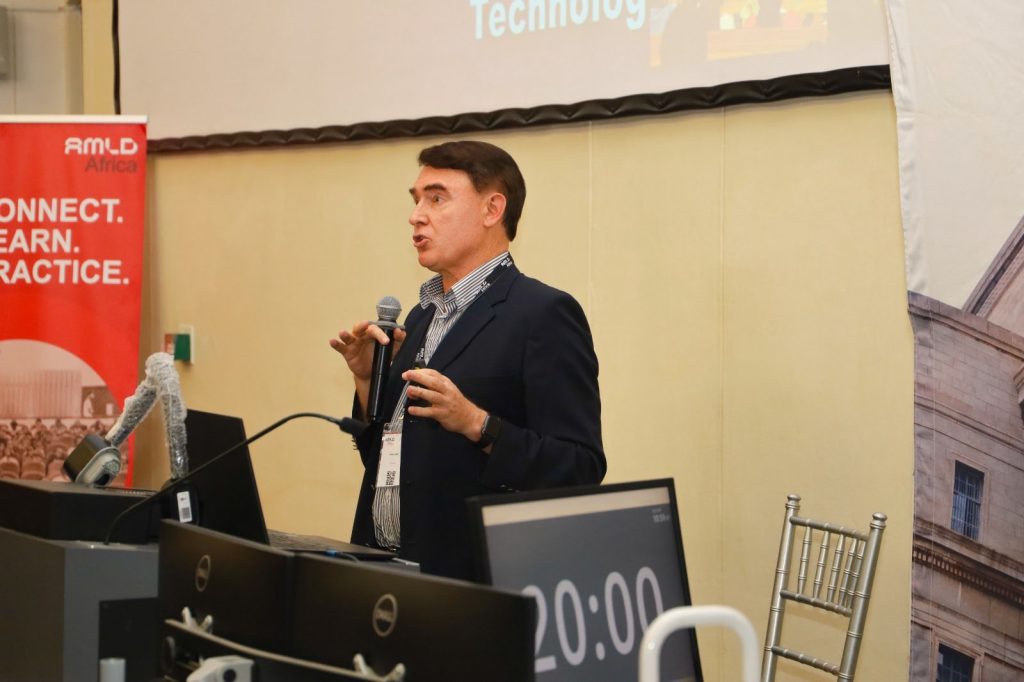
AMLD Africa 2026 Panel Discussion
Panel Title: From Lab to Livelihoods: How University AI Research Can Deliver Economic Empowerment
Moderator: Dr. Jacques Ludik
Panelists: Prof. Benjamin Rosman (Wits), Prof. Vukosi Marivate (UP), Assoc. Prof. Jonathan Shock (UCT)
I. Opening Remarks
Dr. Ludik to set the stage using his core philosophies:
- The Inflection Point: Briefly mention that we are moving from an era of managing scarcity to one of creating Sustainable Abundance.
- The Paradox: Highlight the Productivity Paradox—university research is at an all-time high, but we must bridge the “implementation lag” to solve the Trillion-Dollar Nexus of global inefficiencies.
- The Goal: The panel isn’t just about “tech transfer”; it’s about Democratizing AI so that research in a lab in Cape Town or Joburg directly empowers the individual at the edge of the network.
II. Segment 1: The Structural Bridge
Focus: Why does research often stay in the lab?
- To the Whole Panel: “In my talk, I discussed how the Al Alpha Engine identifies critical choke points that conventional models miss. In the African university context, is our biggest ‘choke point’ a lack of funding, or a lack of a Massive Transformative Purpose (MTP) that connects researchers to real-world market failures?”
- To Benjamin Rosman: “Ben, you’ve bridged the ‘Lab-to-Livelihood’ gap with Lelapa AI. Many universities focus on ‘Industry 4.0’ (cyber-physical systems), but I argue we are already in the Smart Technology Era. How do we incentivize researchers to build for Society 5.0—where the tech is inherently human-centric and decentralized?”
III. Segment 2: Sector-Specific Empowerment
Focus: Healthcare, Agriculture, and Language.
- To Vukosi Marivate: “One of my MTP goals is to Democratize Knowledge. With your work on Masakhane, you are tackling the language barrier. How can we ensure that a breakthrough in Natural Language Processing (NLP) doesn’t just result in a better chatbot for a bank, but creates a Livelihood for a rural entrepreneur who can now access global markets in their mother tongue?”
- To Jonathan Shock: “Jon, you’ve mentioned AI’s role in healthcare and agriculture. In the Sapiens model, we envision AI agents that help people optimize their lives. From a mathematical and research standpoint, how do we build models that are ‘small and local’ enough to run on a farmer’s device but ‘smart’ enough to solve their specific soil or crop yields?”
- Follow-up (Whole Panel): “How do we prevent ‘Data Abuse’ or ‘Surveillance Capitalism’ in these sectors? Can university research lead the way in User-Controlled AI where the farmer owns their data and the research lab provides the engine?”
IV. Segment 3: Safety, Security & Human Agency
Focus: AI Safety as an economic enabler.
- To Jonathan Shock: “As a Co-PI of the African Hub on AI Safety, Peace, and Security, how do you respond to the idea that strict safety protocols might slow down economic empowerment? Can we reframe AI Safety as a ‘Competitive Moat’ for African tech—where our ‘Livelihoods’ are built on trust and ‘Ethically-Aligned’ networks that the West is currently struggling to implement?”
- To Benjamin Rosman: “My philosophy emphasizes a Human-in-the-Loop Superagency model. In university research, we often strive for ‘Full Automation.’ Are we researching ourselves out of a job market, or can we pivot research toward Human Augmentation—tools that make a human worker 10x more productive rather than 0x more necessary?”
V. Segment 4: The “Sapiens” Vision & Scale
Focus: Decentralization and Monetization.
- To the Whole Panel: “The Sapiens Platform is about decentralization—extending AI to families, communities, and ‘Digital Nations.’ Currently, university research is often siloed in Departments. How do we create interdisciplinary ‘Super-Platforms’ within our universities that allow a math student, a sociology student, and an engineer to co-create a decentralized app that monetizes community data?”
- To Vukosi Marivate: “If we want to Democratize AI from a Use & Benefits Perspective, do we need to change how we measure a researcher’s success? Instead of ‘Citations,’ should we be measuring ‘Economic Value Unlocked’ or ‘UN SDGs Impacted’?”
VI. Closing: The 2030 Roadmap
Focus: Practical Actions and Vision.
- The “Moonshot” Question: “I advocate for a Massive Transformative Purpose for Humanity. If each of you could implement one ‘Practical Action’ (as I call them in my framework) in the South African higher education system tomorrow to ensure that by 2030 we have moved from Lab to Livelihood at scale, what would it be?”
- Dr. Ludik’s Final Wrap-up: “We are on the cusp of an epochal shift. As we have seen today, the technology is here, and the talent is in our labs. Our mission now is to ensure this revolution is decentralized, human-centric, and benefits everyone in sustainable ways and in harmony with nature. Let’s turn these insights into real jobs and real companies. Thank you.”
Optional “Deep Dive” Questions
- On Agentic AI: “I’ve spoken about Agentic AI powered by specialized hardware. Should African universities be looking at custom hardware research (Silicon for Africa) to ensure our ‘Livelihoods’ aren’t dependent on northern-hemisphere cloud providers?”
- On Paretotopia: “Can university research help us move toward Paretotopia—where we maximize beneficial outcomes for all—or is the current ‘Market Failure’ of venture capital too strong for academia to fight alone?”